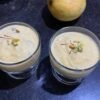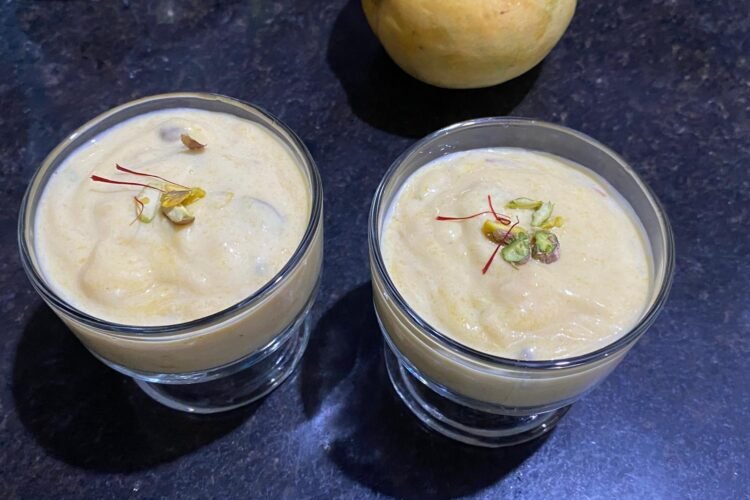
Mango Basundi is a rich and creamy Indian dessert made by combining thickened sweetened milk (basundi) with fresh mango pulp. It is especially popular during the summer season when ripe mangoes are abundant.
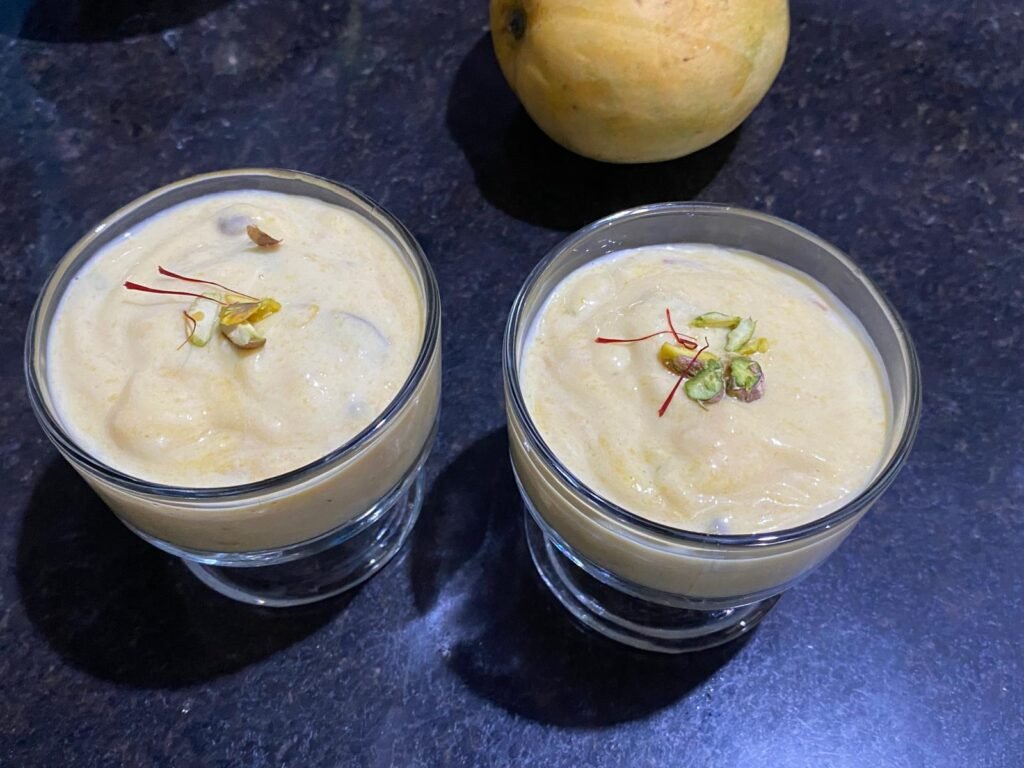
Basundi is a traditional dessert from western India, particularly in the states of Maharashtra and Gujarat. It is prepared by slowly simmering milk until it reduces and thickens, then sweetening it with sugar and flavoring it with cardamom, saffron, and nuts.
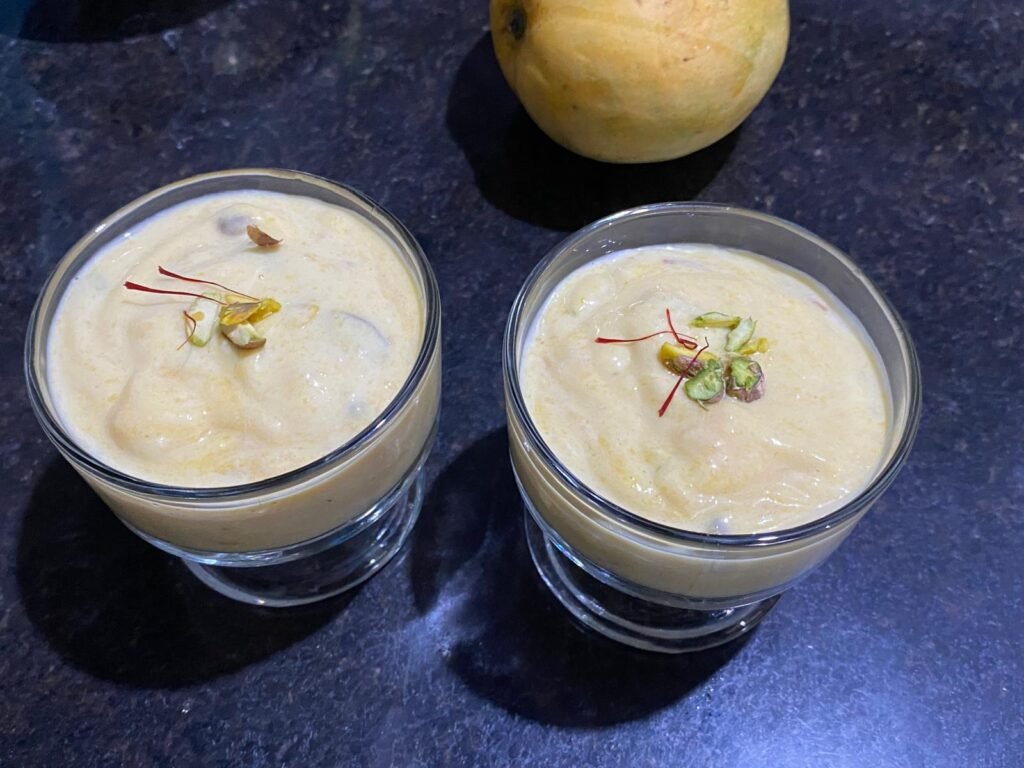
In Mango Basundi, fresh mango puree is mixed into chilled basundi, creating a delicious blend of creamy milk and fruity sweetness. The dessert is often garnished with chopped nuts, saffron strands and small pieces of ripe mango.
Traditionally, basundi is prepared by slowly simmering milk for a long time until it thickens naturally. However, a quicker modern version uses heavy cream and condensed milk. The heavy cream provides the rich, velvety texture that normally develops during the lengthy reduction process, while condensed milk adds both sweetness and creaminess. This method significantly reduces preparation time without compromising the dessert’s luxurious taste. Once the mixture is chilled, fresh mango pulp is added to create a smooth and indulgent Mango Basundi.
Mango Basundi combines two beloved Indian treats: creamy Basundi and the “king of fruits,” the mango. This fusion creates a dessert that is both rich and refreshing. It is usually prepared during the summer months when mangoes are at their peak sweetness and flavor. Many families look forward to it as a special seasonal treat that can only be enjoyed for a few months each year.
Because of its luxurious texture and rich ingredients, Mango Basundi is often served at special occasions. It is considered a premium dessert in many Indian households.
One important culinary tip is that mango pulp is usually added only after the basundi has cooled. Adding mango directly to hot milk can sometimes cause the milk to curdle.
Different regions and households have their own versions of Mango Basundi. Some add saffron, others include rose water, while some mix in extra fruits or dry fruits for additional flavor and texture.
Mango Basundi is typically enjoyed cold. This makes it especially refreshing during hot summer days.
Traditional basundi has been enjoyed for centuries, but the mango version is a more recent version.
Ingredients Used in Mango Basundi
Full Cream Milk:
Full cream milk forms the base of the dessert. It provides a rich flavor and creamy consistency, contributing to the traditional taste of basundi.
Heavy Cream:
Heavy cream enhances the richness and thickness of the dessert, giving it a smooth and velvety texture while reducing the time needed to achieve the desired consistency.
Condensed Milk:
Condensed milk adds sweetness and creaminess to the basundi. It serves as a convenient alternative to sugar and helps create a rich, luxurious texture.
Cardamom:
Cardamom imparts a pleasant aroma and delicate flavor, enhancing the overall taste of the dessert.
Pistachios (Pista):
Chopped pistachios add a crunchy texture and nutty flavor while also providing an attractive garnish.
Saffron:
Saffron strands contribute a subtle floral aroma, a distinctive flavor, and a beautiful golden color to the dessert.
Mango Puree:
Mango puree is the key ingredient that gives Mango Basundi its fruity sweetness, vibrant color, and refreshing mango flavor.
Mango Pieces:
Fresh mango pieces add texture, natural sweetness, and bursts of juicy mango flavor, making the dessert more enjoyable and visually appealing.
Variations
Basundi without condensed milk:
For a rich mango basundi without condensed milk, you can use about ½ cup of sugar (adjust to taste). Instead of adding condensed milk add the sugar and continue the recipe.
Without cream
To make mango basundi without cream, start by bringing the milk and the condensed milk to a boil and then simmering it for few minutes or until it reduces slightly and becomes creamy. Add grated mava (50 grams) and whisk well until it dissolves completely into the milk. Then continue the remaining steps.
Without condensed milk and cream
For mango basundi without condensed milk or heavy cream, use full-cream milk, grated mava (khoya) and sugar (adjust to taste). Bring the milk to a boil add sugar and simmer it on low heat, stirring frequently, until it reduces slightly and becomes thick and creamy. Add the grated mava and whisk well until it is completely incorporated into the milk. Then proceed with the other steps in the recipe.
Adding almonds
Along with the pistachios you can also use 2 tablespoons of slivered almonds.
Step by step pictures
In a thick-bottomed vessel add the milk,
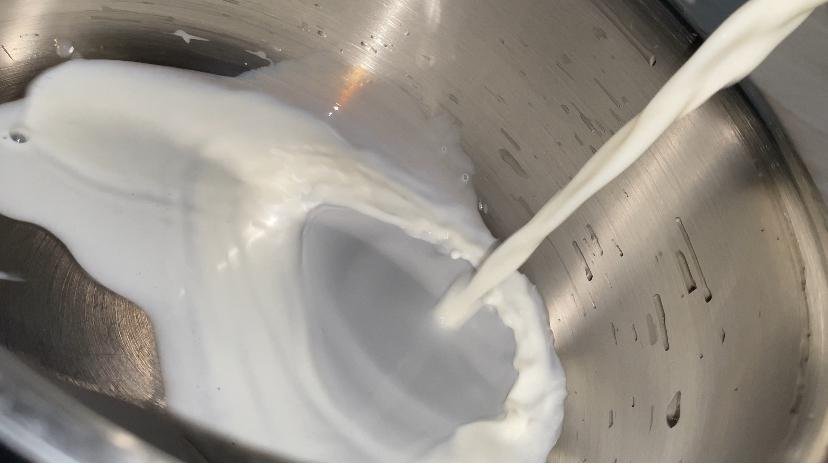
cream,
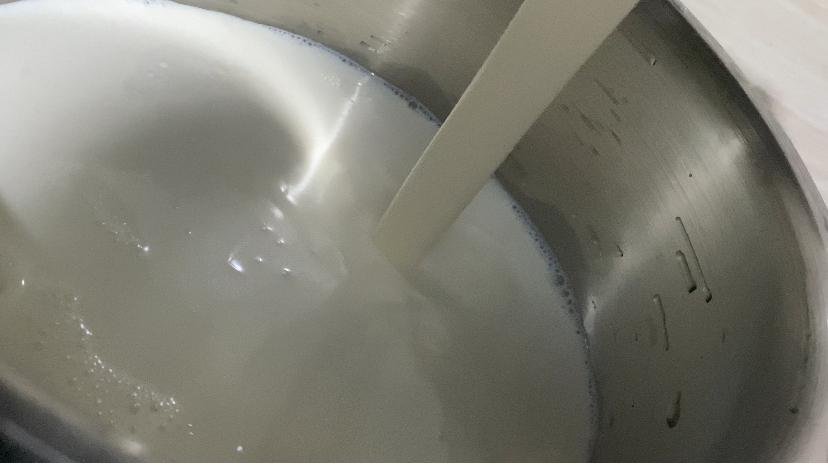
and the condensed milk
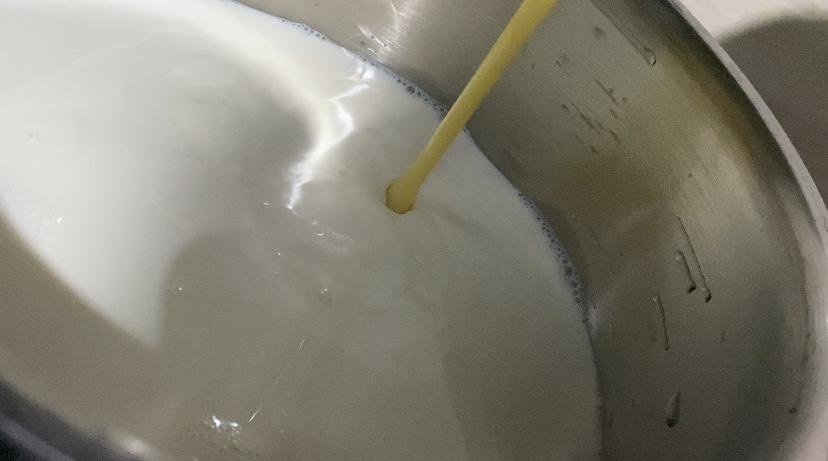
Boil it, stirring now and then
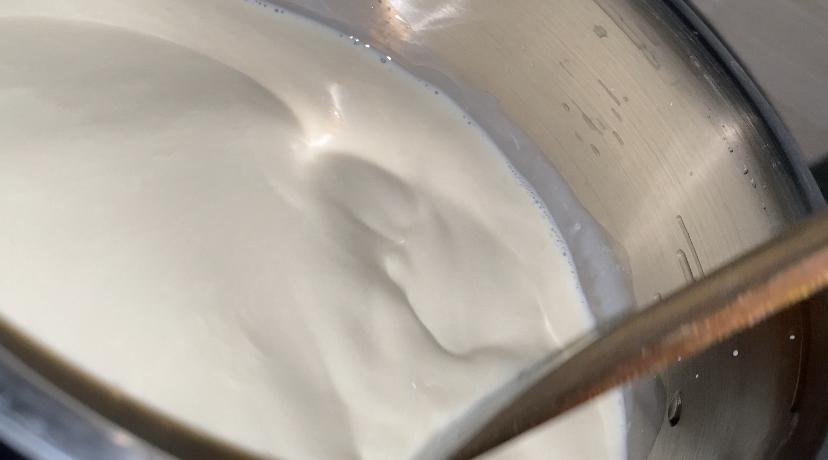
When it starts boiling, reduce the temperature to low and simmer the milk for 15 minutes, stirring frequently
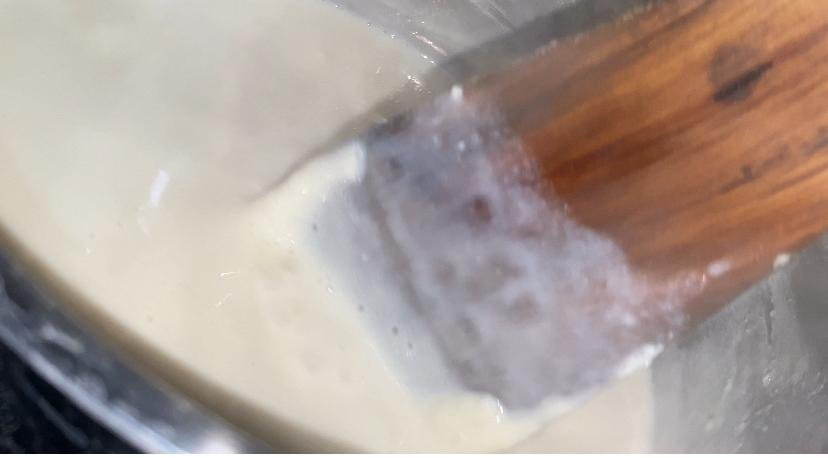
Regularly scrape the cream from the sides of the vessel and stir it back into the milk
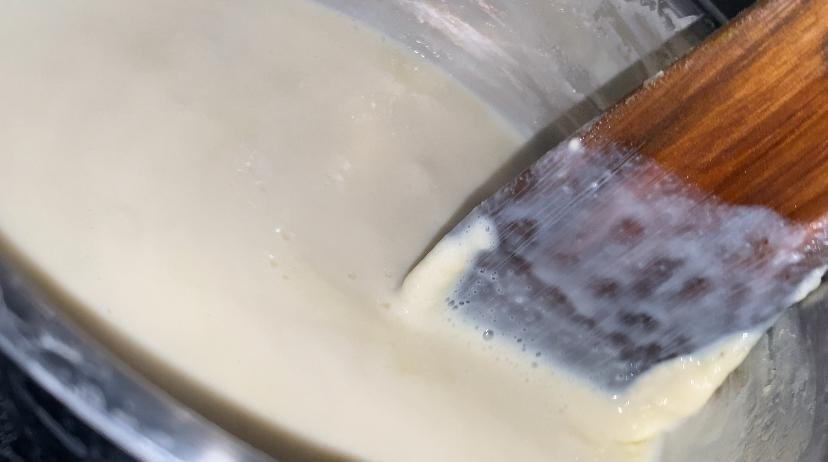
Add the cardamom powder,
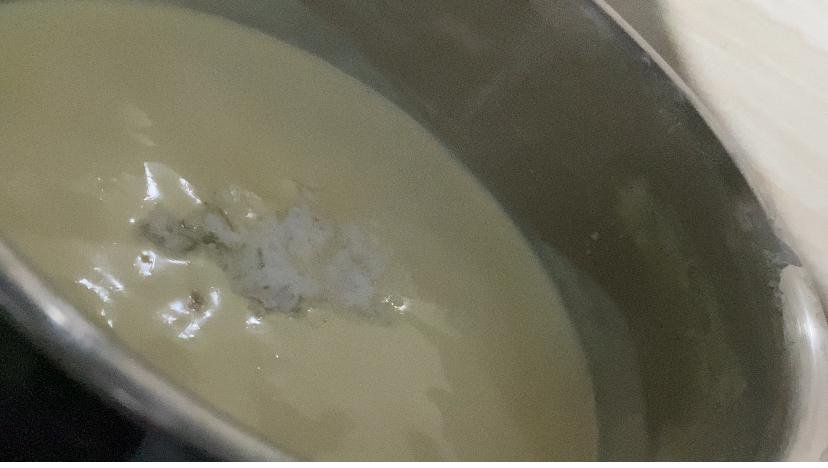
slivered pistachios
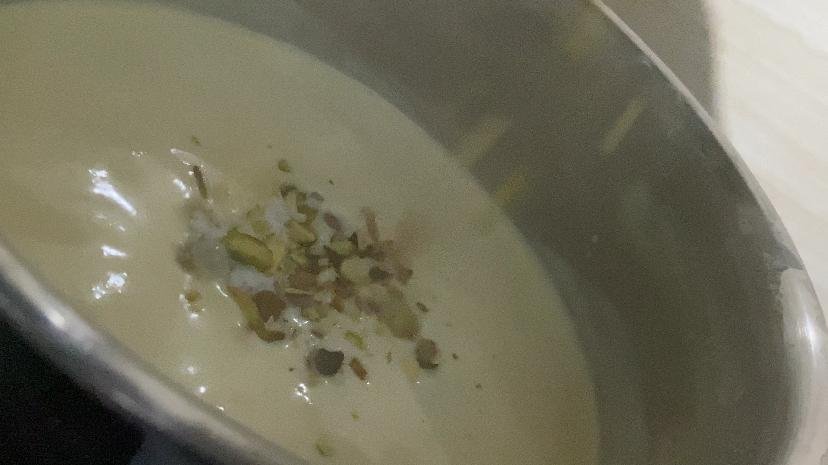
and the saffron strands
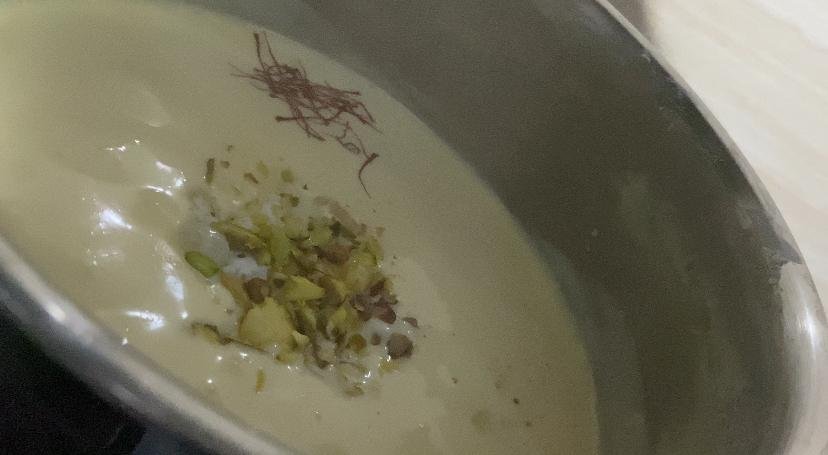
Mix well, stir and cook for 2 more minutes
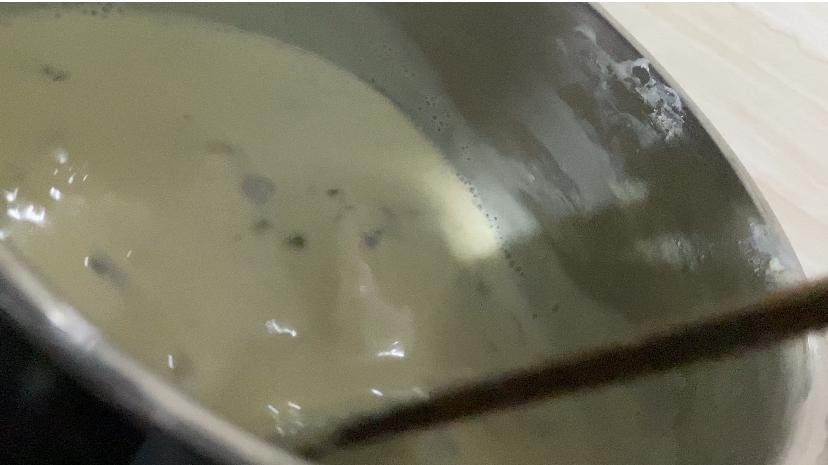
After two minutes, switch off the stove and let it cool completely
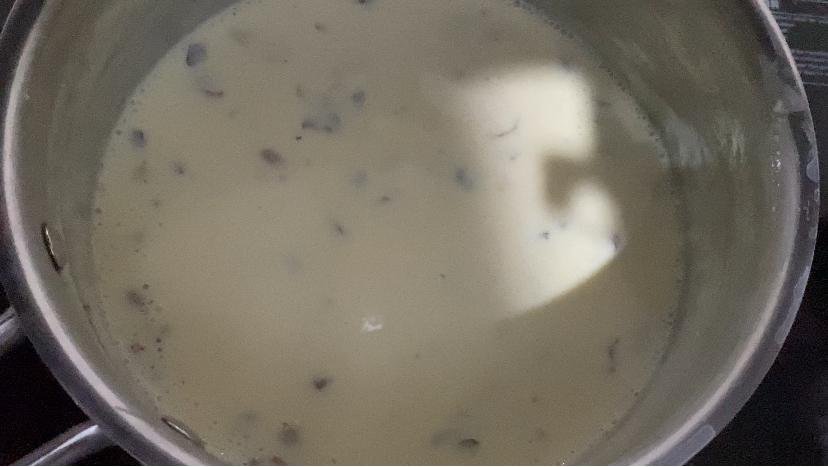
When it is fully cooled, add the mango puree
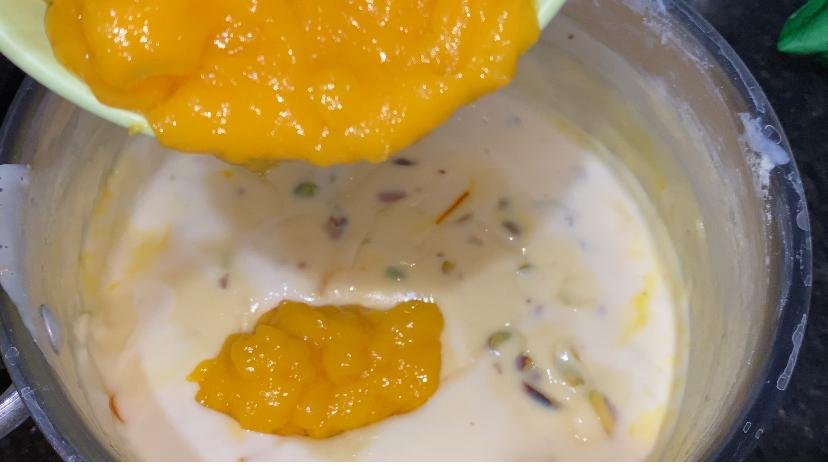
and the mango pieces.
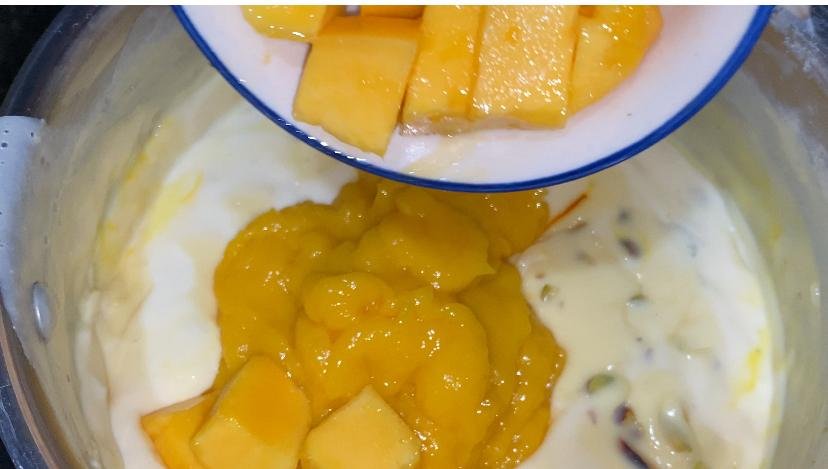
Fold them together,
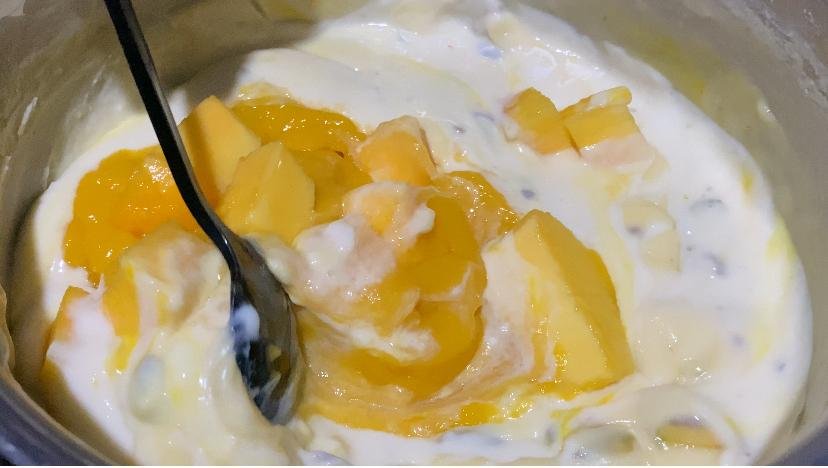
and serve
MANGO BASUNDI RECIPE
Mango Basundi
A rich and creamy Indian dessert made by combining thickened sweetened milk (basundi) with fresh mango pulp.
Ingredients
Instructions
- In a thick bottomed vessel add the milk, heavy cream and the condensed milk
- Boil it stirring now and then
- When it starts boiling reduce the temperature to low
- Simmer the milk for 15 minutes, stirring frequently
- Regularly scrape the cream from the sides of the vessel and stir it back into the milk
- After 15 minutes or when the milk thickens to the desired consistency, add the cardamom powder, slivered pistachios and the saffron threads
- Mix well, stir and cook for 2 more minutes
- Switch off the stove and let the mixture cool completely
- Add the mango puree and the mango pieces and fold them together
- Transfer to serving bowls and serve
- You can serve it as it is or refrigerate for some time and then serve
- You can store this Mango Basundi in the fridge in an air tight container up to 3 days
- Add the mango pulp and the mango pieces only after the milk mixture is completely cooled
- You can add more sugar if needed (Check the sugar a few minutes after the milk boils, add more if needed)
- If you do not have fresh mangoes, you can add store bought mango puree and you don’t have to add the mango pieces. It tastes well.
NOTES